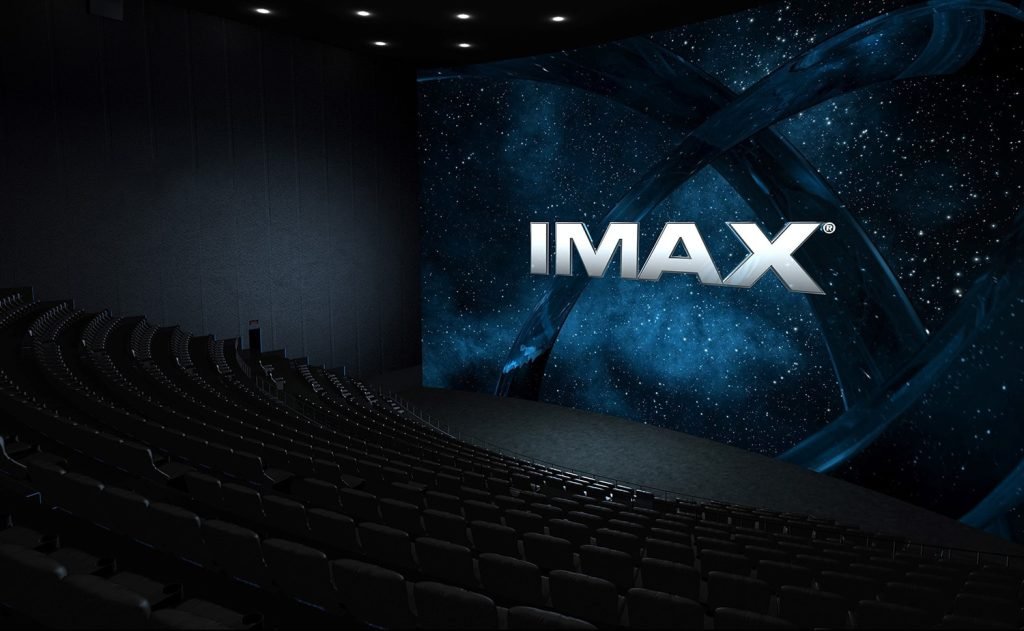
From the heart-thumping roar of a spaceship engine to the breathtaking sweep of a majestic landscape, a true IMAX experience isn't just a movie – it's an event. It's a meticulously engineered cinematic system designed to transport you, placing you not just in front of the screen, but within the story. But here's the catch: not all theaters bearing the "IMAX" name deliver the same unparalleled immersion. Finding the Right IMAX Theater: Locations and Considerations means understanding the critical distinctions that elevate a good screening to an unforgettable one.
As a seasoned cinephile and industry observer, I've navigated the often-confusing landscape of premium formats. The goal here isn't just to tell you where to find an IMAX, but to arm you with the knowledge to discern the truly groundbreaking from the merely "better than average." Let's pull back the curtain on what makes the "IMAX experience" so special and how you can ensure you're getting the real deal.
At a Glance: Your Quick Guide to True IMAX
- Look for "IMAX with Laser": This is the gold standard for modern digital IMAX, offering superior brightness, contrast, and color.
- 70mm IMAX is Rare & Elite: If you find one, especially for films shot on IMAX film, it's a unique experience.
- Screen Size Matters: True IMAX screens are enormous (50-70 ft tall, 70-100 ft wide), curved, and fill your peripheral vision.
- Sound is Key: Expect powerful, laser-aligned, multi-channel audio that surrounds you.
- Use Official Tools: IMAX.com's theater finder is your best friend.
- "DMR" is Not a Projector Type: It refers to how a film is remastered for IMAX, not the projection system itself.
- Don't Settle: Invest a little time to confirm the theater's specific IMAX technology for the best experience.
The "True" IMAX Difference: It's More Than Just a Big Screen
Before we dive into where to find these cinematic marvels, let's clarify what you're actually looking for. A genuine IMAX experience isn't just about a bigger screen; it's a complete ecosystem where every component is precision-engineered to maximize immersion. Think of it as a symphony where the screen, projector, sound system, and even the auditorium's design play together in perfect harmony.
Projector Technology: The Heart of the Image
Traditionally, the ultimate IMAX was synonymous with dual 70mm film projectors (IMAX 15/70). This analog system, using massive film stock, delivered incredible clarity and resolution that few digital formats could touch for decades. These are now rare gems, often found in specialized film archives or museum cinemas, cherished for their unique, organic look.
Today, the cutting edge of digital IMAX is the dual-laser projection system. This is what you want to seek out when considering if IMAX is worth it. These powerful systems offer significantly brighter images, a wider color gamut (more vibrant and accurate colors), and superior contrast ratios compared to older digital IMAX setups. The goal? Images so lifelike they trick your brain into believing you're part of the scene.
Lest we forget, there are also Xenon lamp-based digital IMAX theaters. While these were a significant step up from standard cinemas when they debuted, they don't offer the same peak performance as their laser-driven counterparts. They're still good, but they lack the breathtaking brightness and deep blacks that "IMAX with Laser" delivers.
The Screen: A Window to Another World
An IMAX screen isn't just big; it's strategically big. We're talking 50-70 feet tall and 70-100 feet wide, often stretching from floor-to-ceiling and wall-to-wall. But size alone isn't enough. These screens are typically slightly curved and placed closer to the audience. This curvature, combined with the proximity, fills a larger percentage of your peripheral vision, creating that signature "wrap-around" immersion effect. The screen material itself is also engineered for optimal light reflection and clarity, ensuring every pixel pops.
Sound System: Feeling the Story
You don't just hear an IMAX soundtrack; you feel it. IMAX sound systems are laser-aligned and feature multiple channels with precisely positioned speakers, including overhead. This creates a truly three-dimensional soundscape, allowing a helicopter to sound like it's genuinely flying above you or a whisper to feel like it's right next to your ear. They deliver an incredible dynamic range, reproducing everything from the softest rustle to the most earth-shattering explosion with astonishing clarity and power. This powerful, immersive audio is a huge contributor to the overall "IMAX feel."
Auditorium Design: The Unseen Architect
Every element of a true IMAX auditorium is optimized for your viewing pleasure. Seating geometry is meticulously angled and tiered with a steep rake, ensuring unobstructed views no matter where you sit. This design maximizes immersion by reducing the perceived distance to the screen. Furthermore, auditoriums are acoustically treated to minimize echo and external noise, ensuring the pristine sound isn't compromised.
Decoding IMAX Formats: What Do Those Labels Really Mean?
The world of IMAX can seem like a jumble of acronyms. Understanding them is key to making an informed choice.
- IMAX with Laser (The Modern Pinnacle): This is the cutting-edge digital IMAX experience. When you see this label, you're guaranteed the best brightness, contrast, color, and resolution available in digital IMAX. It signifies a dual-laser projection system capable of delivering stunning visuals. This is the one to actively seek out.
- IMAX 15/70mm Film (The Original Legend): This is the classic, large-format film experience. It's rare, but for specific films (especially those shot on IMAX film cameras), it offers a unique, highly detailed, and organic visual quality that many purists adore. If a theater explicitly states 70mm IMAX, you're in for a treat.
- Standard Digital IMAX (Xenon Lamp Systems): These theaters still offer a superior experience to a regular cinema, with larger screens and better sound than standard multiplexes. However, they use older Xenon lamp projectors, which don't match the brightness, contrast, or color gamut of the newer laser systems. They're good, but not great.
- IMAX DMR (Digital Remastering): This term applies to standard films that have been "digitally remastered" for presentation in IMAX. It means the film's audio and video have been optimized for the IMAX format. Crucially, DMR is about the source material, not the projection system. A film can be DMR'd and shown on an IMAX with Laser system, a Xenon system, or even a 70mm projector if applicable. It doesn't tell you the quality of the projector itself.
The key takeaway? Focus on the projection technology (Laser or 70mm) first and foremost.
Your Quest for the Ultimate Immersion: How to Find Real IMAX Theaters
Now that you know what to look for, let's talk about how to find it. You need to be a bit of a detective, as not all marketing is crystal clear.
- IMAX.com Theater Finder: Your Go-To Resource
This is hands down the most robust and trustworthy tool. Head to the official IMAX website and use their theater locator. Once you find a theater, click on its details. Crucially, look for indicators like "IMAX with Laser" or "70mm IMAX." If it simply says "IMAX Digital" or doesn't specify, there's a higher chance it's a Xenon lamp system. While still good, it's worth noting the distinction. The official site is the best source for accurate, up-to-date information on the specific technologies deployed at each location. - Cinema Chains' Specific Location Pages
Major cinema chains in the U.S. like AMC, Cinemark, and Regal often have dedicated pages for each of their locations. When you navigate to a specific theater's page, dig into the details for their premium formats. They will usually highlight if a particular auditorium has been upgraded to "IMAX with Laser." Don't just trust the general "IMAX" filter on their main site; drill down to the individual theater. - Online Ticketing Platforms: Read the Fine Print
Websites like Fandango, Atom Tickets, and Rotten Tomatoes are great for browsing showtimes, but they vary in how much detail they provide. Sometimes, they'll explicitly list "IMAX with Laser" next to the showtime. Other times, they just say "IMAX." Always cross-reference with IMAX.com if you're unsure. A quick call to the theater's box office can also clear up any ambiguities if you're truly committed. - Promotional Materials for Blockbusters
For major blockbusters that are shot with IMAX cameras or specifically formatted for the IMAX aspect ratio (often 1.43:1 or 1.90:1), trailers and official studio releases may highlight specific venues capable of showcasing films in their intended, grandest IMAX format. Directors who champion IMAX, like Christopher Nolan, often indicate their preferred venues or the "optimal" way to see their films. Keep an eye on these announcements, as they often point to the best "IMAX with Laser" or 70mm locations. - Look for Clues on Arrival
Upon entering a true IMAX theater, you should immediately notice a screen significantly larger than standard, extending floor-to-ceiling and wall-to-wall, with that characteristic curved shape. While not always visible, sometimes you can spot the dual projectors (a tell-tale sign of "IMAX with Laser") or dedicated signage confirming the specific format. Don't be shy about asking staff if you want to be 100% sure.
Beyond Location: Choosing the Best Seat and Showtime
Finding the right theater is just the first step. To truly optimize your experience, consider these factors:
Seating Geometry: Finding the Sweet Spot
IMAX auditoriums are designed with steep rakes and specific screen-to-seat distances to maximize immersion. Generally, the sweet spot for many IMAX enthusiasts is roughly two-thirds of the way back, centered. This position allows the massive screen to fill your field of vision without requiring excessive head movement to take in the entire image. Sitting too close might make the picture overwhelming, while too far back can diminish the immersive effect. Experiment a bit to find your personal preference, but aiming for the middle-back is a safe bet.
Showtime Considerations: Crowds and Comfort
- Early Bird or Night Owl: Matinee showtimes or weekday evenings typically have smaller crowds, offering a more serene and less distracting experience. Prime Friday/Saturday night shows can be packed, which might impact comfort if you prefer more personal space.
- Pre-Show Experience: Some theaters offer a more elaborate pre-show, while others just jump straight into the film. If you appreciate the full cinematic ritual, research the specific theater's pre-show offerings.
- Accessibility: Always check for accessible seating options and companion seats if needed.
Spotting a "Fake" IMAX (and What to Do About It)
The term "LieMAX" gained traction years ago, referring to smaller screens rebranded as IMAX. While IMAX has since imposed stricter guidelines, it's still possible to encounter an "IMAX" theater that doesn't fully meet the ideal.
What to watch out for:
- Smaller Screens: If the screen doesn't seem to fill your peripheral vision, or it doesn't extend floor-to-ceiling/wall-to-wall, it's likely not a true full-size IMAX screen.
- Lack of Specificity: As discussed, if promotional materials or the theater's website simply say "IMAX" without "with Laser" or "70mm," it's probably a Xenon-based digital IMAX. While not necessarily "fake," it's not the top-tier experience.
- Unimpressive Sound: If the sound lacks the dynamic range, clarity, or immersive quality you expect, it might indicate an older or less optimized sound system.
What to do:
Your best defense is research. Before you buy a ticket, verify the technology using the methods outlined above. If a theater consistently disappoints, provide feedback directly to the cinema chain or IMAX, but more importantly, vote with your wallet and seek out superior venues.
Common IMAX Questions, Answered
Let's clear up some common misconceptions and answer frequently asked questions about the IMAX experience.
Is IMAX Always 3D?
No, not at all. While IMAX is fantastic for 3D films, many major blockbusters are released in glorious 2D IMAX. In fact, many purists prefer 2D IMAX for its brighter image and lack of glasses. The choice of 2D or 3D is film-specific and will be clearly indicated when purchasing tickets.
What's the Difference Between IMAX and Dolby Cinema/Other Premium Formats?
IMAX is one of several premium large format (PLF) experiences, each with its own strengths.
- IMAX (especially with Laser): Known for its massive, curved screen, superior brightness/contrast, and immersive sound (often 12-channel). It aims for sheer scale and immersion.
- Dolby Cinema: Emphasizes reference-level picture quality (Dolby Vision dual-laser projectors for incredible contrast and brightness) and object-based sound (Dolby Atmos with up to 64 independent speaker channels). Dolby Cinema auditoriums are often designed for absolute darkness and precision.
- Other PLFs (e.g., RPX, XD): These are proprietary large-format screens from individual cinema chains. They typically offer larger screens, upgraded sound, and sometimes laser projection, but their specifications can vary wildly and are not as standardized as IMAX or Dolby Cinema.
Each offers a premium experience, but they achieve it through slightly different philosophies and technologies. Many argue IMAX offers the most immersive visual experience due to its screen size and geometry, while Dolby Cinema often wins on absolute picture fidelity in terms of black levels and dynamic range.
Do All Films Benefit from IMAX?
While any film can be remastered for IMAX (DMR), those shot with IMAX cameras or formatted for the IMAX aspect ratio provide the most breathtaking and intended visual impact. Films like Christopher Nolan's Oppenheimer or Dunkirk, which utilized true IMAX 70mm cameras, are specifically designed to fill the massive 1.43:1 aspect ratio of the tallest IMAX screens. Many other films will be presented in a 1.90:1 aspect ratio in IMAX, meaning they'll still fill more of the screen than in a standard cinema, but not the absolute full height. If a film is shot with IMAX cameras, that's generally a strong indicator that seeking out the best IMAX experience is highly recommended.
Is It Worth the Extra Cost?
For many, absolutely. The difference in immersion, visual quality, and sound clarity between a true "IMAX with Laser" screening and a standard cinema can be night and day. It transforms a movie viewing into an event, making it a premium experience well worth the additional ticket price, especially for major blockbusters, visually stunning films, or those shot specifically for the format.
Making Your Choice: A Checklist for Cinematic Nirvana
To ensure you're getting the best possible IMAX experience, run through this quick checklist:
- Projection System: Is it "IMAX with Laser" or "IMAX 70mm Film"? (Top priority)
- Screen Size/Geometry: Does it explicitly mention a full-size, curved screen? (IMAX.com usually confirms this implicitly for its certified theaters).
- Sound System: Is it a laser-aligned, multi-channel system?
- Auditorium Design: Does the theater have steeply tiered seating and good acoustics?
- Film Format: Is the film shot with IMAX cameras or specifically formatted for the IMAX aspect ratio (1.43:1 or 1.90:1)?
- Reviews/Local Intel: What do local moviegoers say about this specific IMAX location?
- Ticket Price: Does the cost align with the expected premium experience?
Your Personalized Path to Blockbuster Bliss
The quest for the ultimate cinematic experience shouldn't be daunting. With a little research and an understanding of what truly defines an IMAX theater, you're now empowered to make informed choices. Don't settle for less when the genuine article offers such an unparalleled journey into storytelling. Go forth, find that "IMAX with Laser" or rare 70mm screen, choose your seat wisely, and prepare to be utterly transported. The magic of cinema, in its grandest form, awaits.