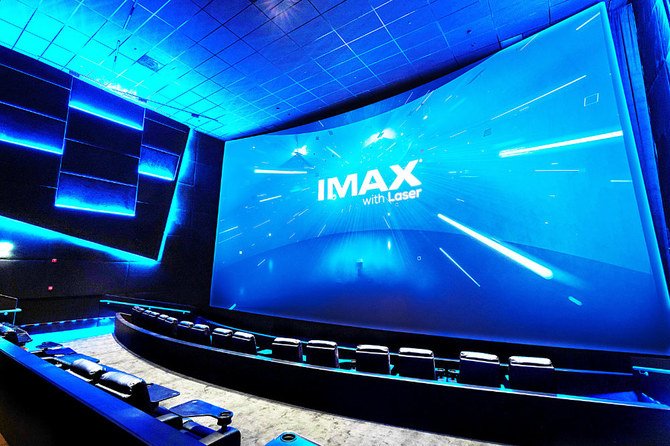
Ever stood at the movie theater ticket counter, eyeing that significantly higher price tag for an "IMAX" screening and wondering, "IMAX Ticket Prices: Is the Premium Justified?" You're not alone. In an era where streaming offers convenience at your fingertips, getting audiences to leave their comfy couches for the cinema is a harder task than ever. That's why premium large format (PLF) experiences like IMAX have become a linchpin for blockbusters, promising an unparalleled spectacle that might just be worth the extra cash.
But is it? Is the difference truly 2X better, reflecting the often double-the-price ticket? Let's break down what you're really paying for and help you decide if that premium seat is calling your name.
At a Glance: Is IMAX Worth the Extra Cost?
- Yes, often. For films specifically designed for it, especially visually stunning blockbusters or those shot with IMAX cameras, the immersive experience can be breathtaking.
- It's about scale. IMAX offers a larger, curved screen and a unique aspect ratio (often 4:3), allowing you to see more of the film's intended picture.
- Sound matters. The precision audio system adds another layer of immersion.
- Not all IMAX theaters are created equal. "True" IMAX (70mm film) offers the gold standard, but digital IMAX is still a significant upgrade from standard theaters.
- Movie choice is key. An IMAX ticket for a dialogue-heavy drama might not yield the same "wow" factor as one for an action-packed sci-fi epic.
- Competitors exist. Dolby Cinema and 4DX offer different, but sometimes equally compelling, premium experiences.
What Defines the IMAX Experience? More Than Just a Bigger Screen
When you fork over extra cash for an IMAX ticket, you're not just buying a seat in a slightly bigger room. You're investing in a meticulously engineered cinematic experience designed to envelop your senses. Think of it as the difference between looking at a photograph and stepping into the scene itself.
At its core, IMAX stands for "Image Maximum." This isn't just marketing fluff; it's a commitment to pushing the boundaries of what's possible on the big screen. The magic lies in a synergy of three key elements: the screen, the projection, and the sound.
The Visuals: Seeing More of the Story
The most striking difference you'll notice with IMAX is the sheer scale of the picture. Unlike typical cinema screens, which might feel like a large TV, IMAX screens are massive, often floor-to-ceiling and wall-to-wall, sometimes even slightly curved to fill your peripheral vision.
Crucially, it's not just about size, but also the aspect ratio. Many films shown in IMAX will expand vertically to a 4:3 aspect ratio during key sequences, meaning you literally see more of the image the filmmakers intended. This isn't just cropping a wider image; it's revealing additional picture information at the top and bottom of the frame that isn't visible in a standard widescreen presentation. It’s like watching Tom Cruise hang off the Burj Khalifa in "Mission: Impossible - Ghost Protocol" and actually feeling like you're right there with him, suspended high above the city, or seeing every nuance of a character's expression during an intense moment in a film like "Sinners," as the screen expands to consume your entire field of view.
This expansion, often popularized by directors like Christopher Nolan, creates a profoundly immersive effect. When used correctly, these moments can give you "full body chills," making the film less a passive viewing and more an active participation. The increased resolution and brightness, especially with IMAX's dual-projector system, also mean colors are more vivid, and details are sharper, even on screens of such colossal dimensions.
The Sound: Feeling Every Rumble and Whisper
A truly immersive movie experience isn't just about what you see; it's profoundly shaped by what you hear. IMAX doesn't skimp on audio, either. Its proprietary sound system is designed for precision, clarity, and powerful impact. We're talking about laser-aligned speakers that ensure every sound wave hits you with pinpoint accuracy, delivering rich, deep bass and crystal-clear dialogue.
The sound isn't just loud; it's intelligently directed and balanced to match the visuals, creating a seamless, three-dimensional soundscape. You don't just hear an explosion; you feel the concussion. You don't just hear a whisper; you feel like it's right next to your ear. This level of audio fidelity significantly enhances the emotional resonance and overall impact of the film, pulling you deeper into the narrative.
The "Nolan Effect" and Filmmakers' Vision
Christopher Nolan is often credited with popularizing the use of IMAX cameras for Hollywood cinema, demonstrating their unparalleled ability to capture breathtaking scope and detail. When a director chooses to shoot significant portions of their film with these specialized cameras, it's a clear signal that the IMAX presentation is the definitive way to experience their work.
These aren't just conversions; these are films designed for the format. Think of sweeping aerial shots, intense action sequences, or grand establishing landscapes—all rendered with incredible clarity and scale that can't be fully appreciated on a smaller, conventional screen. Filmmakers and audiences alike have truly fallen in love with this form, understanding that for certain movies, IMAX isn't just an upgrade; it's an essential part of the artistic vision.
IMAX vs. The Contenders: A Premium Large Format Showdown
The cinema landscape has diversified, offering a range of "Premium Large Format" (PLF) options beyond standard theaters. Each promises an elevated experience, but not all deliver on that promise equally. Understanding the differences is crucial before you decide to pay the inflated ticket price.
IMAX: The Immersive Champion (Often Worth It)
As we've discussed, IMAX excels in visual scale and sound immersion. The unique 4:3 aspect ratio, which expands to show more of the film, and the slightly curved screen genuinely consume you. For films shot specifically for IMAX, the experience can be truly transformative, providing "full body chills." It’s a format directors and audiences love for its ability to pull you into the story like no other. For blockbusters relying on grand visuals and powerful sound, IMAX is often absolutely worth the premium.
Dolby Cinema: The Perfectionist's Choice (Often Not Worth It for the Premium)
Dolby Cinema focuses on ultra-vivid colors and dynamic sound. It uses Dolby Vision projection, which offers incredible contrast and brightness, and Dolby Atmos audio, which creates a rich, moving soundscape. The colors are so vivid, in fact, that some theaters used to have to reassure patrons that "yes, the projector is still on!"
While Dolby Cinema offers a technically pristine experience, the ground truth suggests it might not always justify the inflated ticket price as much as IMAX. It's the format for "perfectionists" who appreciate the absolute fidelity of image and sound, but it often lacks the unique visual expansion and overwhelming scale that IMAX provides, making its premium a harder sell for many moviegoers seeking that 'wow' factor.
4DX: The Sensory Overload (So Worth It)
If you're looking for the "craziest moviegoing experience," 4DX delivers. This format integrates motion seats and environmental effects right into the film. Your seat will rumble, tilt, and vibrate in sync with the on-screen action. You might feel gusts of wind, splashes of water, or even subtle scents that match the scene.
While not everyone's cup of tea (some find it distracting), for those seeking a truly interactive and exhilarating experience, 4DX is "so worth it." It transforms a movie viewing into an amusement park ride, making blockbusters with intense action or adventure sequences incredibly engaging. It's about participation, not just observation.
ScreenX: The Horizontal Head-Scratcher (So Not Worth It)
ScreenX attempts to expand the cinematic experience horizontally, much like IMAX expands vertically. It features a typical center screen, plus screens on either side, aiming for a VR-type panoramic view.
However, as the ground truth points out, ScreenX suffers from significant drawbacks that make it largely "not worth it." The "screens" on either side are often just walls, complete with "all the accoutrements of being a wall like lit exit signs." Moreover, the three projectors can't be hidden away in a booth; they're "affixed to the ceiling," meaning their light can draw your eye and break immersion. The result is often a baffling and terrible way to watch a movie, where the promised immersion is shattered by the practical realities of the setup.
When to Choose IMAX: Practical Scenarios for Your Premium Buck
Deciding when to spring for an IMAX ticket often boils down to a few key factors about the movie itself and your personal preferences.
- Blockbusters & Spectacles: This is where IMAX truly shines. Action films, sci-fi epics, superhero movies, and fantasy adventures with extensive visual effects and grand set pieces are prime candidates. Movies from directors like Christopher Nolan, Denis Villeneuve, or James Cameron are often designed with the IMAX canvas in mind. The expanded aspect ratio and immersive sound truly elevate these experiences.
- Films Shot with IMAX Cameras: If a film explicitly states that it was shot, even partially, with IMAX cameras, that's your biggest indicator to go for the premium. This means the filmmakers intended for those specific scenes to be viewed on the largest possible canvas, revealing details and scope lost in other formats.
- Visual Storytelling: Beyond just action, films that rely heavily on breathtaking cinematography, sweeping landscapes, or intricate production design can benefit immensely. Nature documentaries or historical epics, for example, can be incredibly impactful in IMAX.
- A "First-Time" Viewing: For a highly anticipated film you've been waiting for, seeing it in IMAX for your first viewing can be an unforgettable experience, setting the benchmark for all future watches.
When considering if IMAX is worth it, remember that the magic truly happens when the film and the format are in perfect synergy.
Beyond the Screen: Other Factors to Consider for Your IMAX Ticket
While the format itself is a major differentiator, your actual experience can also be influenced by the specific theater and your personal habits.
- Location Matters: Not all "IMAX" theaters are created equal. Some are "LieMAX" (digital IMAX in converted standard auditoriums), while others are true 70mm IMAX with gigantic screens and film projectors. While even digital IMAX is an upgrade, understanding the quality of your local theater can temper expectations. A quick online search for your specific cinema and "IMAX" reviews can often clarify this.
- Seating: Just like any theater, your seat choice can make or break the experience. For IMAX, being too close can make it hard to take in the entire screen, while being too far back might diminish the immersive feeling. Many prefer seats in the middle to upper-middle sections of the auditorium for the optimal viewing angle.
- Your Personal Sensitivity: Some people are more sensitive to loud sounds or intense visuals. If you're prone to motion sickness or find extremely loud environments overwhelming, you might want to consider this before diving into 4DX, for instance. IMAX is generally less intense in this regard than 4DX, but still a step up from standard.
- The Price Point: While we're discussing whether the premium is justified, your personal budget always plays a role. If a 2X price increase strains your wallet significantly, a standard screening might still be enjoyable. However, for a truly special film, many find the occasional splurge worthwhile.
Common Questions About IMAX Tickets and Experiences
Is IMAX always worth double the price?
Not always, but often for specific types of films. For a movie shot on IMAX cameras or a visually spectacular blockbuster, the premium can absolutely be justified by the enhanced immersion. For a drama or comedy, the difference might not be as impactful.
What's the difference between IMAX and regular movies?
IMAX offers a significantly larger, often curved screen, a unique aspect ratio that expands to show more of the film's image, and a powerful, precise sound system. Regular theaters typically have smaller screens and standard aspect ratios (like 1.85:1 or 2.39:1) without the same audio precision.
Is "LieMAX" real?
Yes, the term "LieMAX" is used by enthusiasts to distinguish between true 70mm IMAX theaters (which are massive and use film projectors) and digital IMAX theaters that are retrofitted standard auditoriums. While digital IMAX is still an upgrade, it might not offer the same overwhelming scale as the original 70mm experience.
Can I watch any movie in IMAX?
No. Only films that are specifically released in the IMAX format by studios can be shown on IMAX screens. This often includes converting or remastering the film for the larger screen and sound system, or as mentioned, actively shooting parts of the film with IMAX cameras.
What are the best movies to see in IMAX?
Generally, action-adventure blockbusters, sci-fi epics, superhero movies, and any film explicitly advertised as being "shot in IMAX" or "Filmed for IMAX" are the best candidates. Think films from directors like Christopher Nolan, Denis Villeneuve, or visual effects-heavy spectacles.
Making Your Own Call: Is the Premium Worth It?
Ultimately, the question of whether IMAX ticket prices are worth the premium experience is a personal one. Based on the expert consensus and the tangible differences in presentation, for specific types of films—especially visually stunning blockbusters or those crafted by directors who lean into the format's capabilities—the answer is a resounding "yes." The immersive scale, the expanded visuals, and the precise, enveloping sound create a cinematic event that standard theaters simply cannot replicate.
However, it's also clear that not every film benefits equally from the IMAX treatment, and not all premium formats deliver on their promises. While IMAX and 4DX generally offer compelling reasons for their higher price tags, Dolby Cinema is more for the technical purist, and ScreenX, with its wall-as-screen approach, often falls flat.
Your next step is to consider the movie you want to see, do a quick check on your local IMAX theater's reputation (if you're curious about "true" vs. digital IMAX), and decide if that enhanced, larger-than-life spectacle is calling your name. For the right movie, at the right time, that premium ticket doesn't just buy you a seat; it buys you an unforgettable journey into the heart of the story. Enjoy the show!