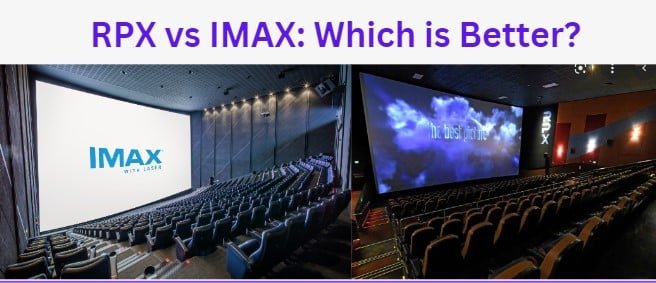
Stepping into a movie theater isn't just about watching a film anymore; it's about choosing an experience. From the colossal screens of IMAX to the stunning clarity of Dolby Cinema, the souped-up local RPX, or even the trusty standard screen, each option offers a distinct promise. But with so many choices, how do you know if that extra ticket price for IMAX vs. Competitors: Dolby Cinema, RPX, and Standard Screens is truly worth it for your movie night?
As a seasoned film enthusiast and critic, I've spent countless hours in the dark, comparing these formats frame by frame, thundering sound by thundering sound. My goal here isn't to declare a single "winner," but to equip you with the knowledge to make the best choice for you, every single time. Forget the tech jargon; let's talk about what these experiences actually feel like.
At a Glance: Your Cinema Cheat Sheet
Before we dive deep, here’s a quick rundown of the essential differences between the top premium cinema experiences and why you might pick one over the other:
- Dolby Cinema:
- Visuals: Dual 4K laser projectors, Dolby Vision HDR, ultra-high contrast (500:1), deep blacks, vibrant colors.
- Audio: Dolby Atmos (object-based, 3D sound with overhead speakers, precise placement).
- Seating: Luxury recliners, wider spacing, premium comfort.
- Best For: Visually rich films, dramas, CGI-heavy movies where color accuracy, detail, and intricate sound design are paramount. Think "art house" films with blockbuster production values.
- Vibe: Immersive, precise, luxurious.
- IMAX:
- Visuals: Dual 4K laser (or 70mm film) projectors, massive screens (up to 40% larger), expanded aspect ratios (1.90:1 or 1.43:1 for IMAX-shot films, offering up to 26% more vertical image). Prioritizes scale and spectacle.
- Audio: Proprietary, powerful, loud, immersive sound with strong bass (less precise than Atmos).
- Seating: Varies by location, from standard stadium to upgraded recliners.
- Best For: Blockbusters designed for IMAX cameras (e.g., Christopher Nolan, Marvel epics), sci-fi, action, nature documentaries where sheer size and immersion are key.
- Vibe: Epic, colossal, overwhelming.
- RPX (Regal Premium Experience):
- Visuals: Often a larger, brighter screen than standard, sometimes 4K digital projection.
- Audio: Enhanced sound system, often 7.1 surround or a proprietary upgrade (less sophisticated than Atmos or IMAX's high-end).
- Seating: Typically upgraded, often luxury recliners.
- Best For: A step up from standard without the specific tech focus of Dolby or IMAX, good for general blockbusters where comfort is also a priority.
- Vibe: Enhanced comfort, bigger-but-not-IMAX visuals.
- Standard Screen:
- Visuals: Digital projection (often 2K), smaller screen, standard contrast and brightness.
- Audio: Standard 5.1 or 7.1 surround sound.
- Seating: Varies wildly, from basic to comfortable.
- Best For: Budget-conscious viewing, films where the cinematic spectacle isn't the primary draw, or when convenience is key.
- Vibe: Functional, familiar.
Beyond the Standard Screen: Why Upgrade?
Let's be honest, for many years, a "movie theater" meant one thing: a dark room, a big screen, and popcorn. Standard screens still deliver on that core promise, and for many films – especially comedies, intimate dramas, or indie flicks – they're perfectly adequate. They’re accessible, affordable, and widely available.
However, as home theater technology advanced with large 4K TVs, sophisticated soundbars, and streaming services offering high dynamic range (HDR) content, traditional cinemas faced a challenge. To draw audiences out of their homes, they needed to offer something fundamentally better, something that couldn't be replicated on a couch. This drive led to the rise of premium formats like IMAX and Dolby Cinema, each pushing different boundaries of what a theatrical experience could be. They're not just about "bigger" anymore; they're about entirely different ways to consume and feel a film.
The Big Two: IMAX vs. Dolby Cinema — A Head-to-Head Showdown
When it comes to the pinnacle of cinematic presentation, the debate often boils down to IMAX versus Dolby Cinema. Both represent a significant leap from standard screens, but they achieve their premium status through distinct philosophies.
Visual Spectacle: Screen Size, Aspect Ratio, and Projector Tech
This is where the most obvious differences lie, shaping how your eyes perceive the film.
IMAX: The Colossus of Scale
IMAX's calling card is sheer size. Their screens are gargantuan, often stretching floor-to-ceiling and wall-to-wall, up to 40% larger than typical cinema screens. It’s designed to fill your peripheral vision, making you feel enveloped by the image.
The magic truly happens when a film is shot with IMAX cameras. These cameras capture more vertical information, allowing the aspect ratio to expand from the standard widescreen (2.40:1) to a taller 1.90:1 or even a towering 1.43:1 on older 70mm or specialized IMAX with Laser venues. This means you see up to 26% more picture on screen, pulling you deeper into the world. If you've ever seen an explosion fill your entire field of vision in an IMAX film, you know what I mean.
Modern IMAX experiences typically use dual 4K laser projectors, which deliver a brighter, sharper image than conventional digital projectors. This laser technology improves overall clarity and color, but the primary focus remains on delivering an epic, larger-than-life scale. For films where spectacle is king – think vast landscapes, space battles, or the intricate details of a massive sci-fi ship – IMAX aims to overwhelm your senses with scale. This is why many epic blockbusters, especially those directed by visual storytellers like Christopher Nolan, are tailor-made for the IMAX experience. Many enthusiasts argue that to truly grasp the director's vision, experiencing it in IMAX is paramount.
Dolby Cinema: The Maestro of Contrast and Color
Dolby Cinema, on the other hand, prioritizes fidelity. While its screens are large, they don't necessarily aim to dwarf you like IMAX. Instead, Dolby focuses on creating an incredibly perfect image. This is achieved through dual 4K laser projectors utilizing Dolby Vision HDR (High Dynamic Range) technology.
What does Dolby Vision mean for you? It means astonishing contrast. Dolby Cinema boasts a 500:1 contrast ratio, which is 500 times better than a standard theater. This translates to incredibly deep, inky blacks – no murky grays here – and brilliantly vivid, accurate colors that pop off the screen. You'll see details in shadows and highlights that are simply lost in other formats. Imagine a night scene where you can discern individual stars against a truly black sky, or an explosion where the fiery reds and oranges have an almost tangible intensity. It's about nuance, precision, and a breathtaking visual richness. The resolution is also exceptionally high, four times that of standard theaters, ensuring every tiny detail is crystal clear. The aspect ratio is typically a cinematic widescreen 2.40:1, allowing filmmakers to present their movie as intended without cropping or expanding to fit the screen.
If you're watching a visually dense drama, a CGI-heavy fantasy film where every pixel matters, or simply appreciate seeing colors rendered with unparalleled vibrancy, Dolby Cinema’s visual approach is often considered superior.
Sound Immersion: Dolby Atmos vs. IMAX's Proprietary System
The visual prowess is only half the story; sound plays an equally critical role in immersion.
Dolby Cinema: The Pinpoint Precision of Atmos
Dolby Cinema pairs its stunning visuals with Dolby Atmos sound, an object-based audio system that revolutionized cinematic soundscapes. Instead of traditional channel-based surround sound (like 5.1 or 7.1), Atmos treats individual sounds – a bird chirping, a bullet whizzing, rain falling – as "objects" that can be precisely placed and moved anywhere in a three-dimensional space, including overhead.
With up to 128 simultaneous audio objects and 64 individual speakers strategically placed around the theater, including on the ceiling, Atmos creates an incredibly detailed and enveloping sound field. You don't just hear rain; you hear it above you, and the drop land in front of you. This level of precision and three-dimensionality is often considered the gold standard for audio immersion, drawing you into the film's world with uncanny realism. If you crave pinpoint sound effects and a truly 3D audio experience, Dolby Atmos is hard to beat.
IMAX: The Roaring Power of Proprietary Sound
IMAX employs its own proprietary sound system, characterized by powerful, laser-aligned speakers designed to deliver loud, clear, and impactful audio. The focus here is on immense volume, strong bass, and a sense of being enveloped by the sound, mirroring the visual scale. When a spaceship roars overhead or a monster crashes through a building, IMAX's sound system aims to make you feel it in your chest.
While recent innovations have certainly improved the clarity and dynamic range of IMAX sound, it is generally less precise in object placement compared to the sophisticated, overhead-enabled Dolby Atmos. It’s more about a wall of powerful, immersive sound than the delicate, directional nuances of Atmos. For a bombastic blockbuster where raw power and rumble are key, IMAX sound delivers. However, for intricate sound design with subtle directional cues, Atmos often has the edge.
Comfort & Experience: Seating and Ambiance
Beyond the tech, how comfortable you are significantly impacts your enjoyment.
Dolby Cinema: The Lap of Luxury
One of Dolby Cinema's consistent strengths is its commitment to luxury seating. Almost universally, you'll find plush, powered reclining seats with wider spacing between rows, often featuring adjustable headrests. This premium comfort is a core part of the Dolby Cinema promise, ensuring a relaxed, high-end experience from start to finish. The theaters are often designed with a sleek, minimalist aesthetic, contributing to a premium ambiance.
IMAX: A Variable Verdict on Comfort
IMAX seating can be a bit of a lottery. While some newer IMAX with Laser venues are incorporating luxury recliners, many older or converted Digital IMAX auditoriums still feature standard stadium seating. The comfort level largely depends on the specific theater you visit. It's wise to check the amenities of your local IMAX before booking if comfort is a high priority. The focus is always on the screen, so seating comfort can sometimes be secondary.
The Bottom Line on Pricing and Availability
Premium experiences come with a premium price tag, and availability varies.
- Cost: Both IMAX and Dolby Cinema tickets typically cost more than a standard screening. Dolby Cinema tickets often range from $18-25, sometimes a few dollars more than IMAX. IMAX prices usually fall between $17-24, depending on the location and specific movie.
- Availability:
- Dolby Cinema: More limited in availability. In the U.S., it's predominantly found within AMC Theatres locations, with a smaller footprint globally.
- IMAX: Much more widespread worldwide. You can find IMAX screens in major multiplex chains (like AMC, Regal, Cinemark) and standalone IMAX theaters.
RPX: Regal's Premium Experience – A Different Flavor of Upgrade
While IMAX and Dolby Cinema are global brands with specific technological standards, RPX (Regal Premium Experience) is Regal Cinemas' proprietary premium format. Think of it as a significant step up from a standard screen, but not necessarily designed with the same stringent technological specifications as IMAX or Dolby.
RPX theaters typically feature a larger screen than standard auditoriums, often with enhanced digital projection (sometimes 4K) for a brighter, clearer image. The sound system is also upgraded, moving beyond basic surround sound to a more powerful, immersive system, sometimes a 7.1 configuration. Crucially, like Dolby Cinema, RPX often includes luxury recliner seating, making it a very comfortable viewing option.
The appeal of RPX lies in offering a more premium experience – better visuals, sound, and comfort – without always reaching the absolute bleeding edge of technology found in Dolby Vision HDR or object-based Atmos sound. It's a solid middle-ground for those seeking a tangible upgrade in comfort and overall presentation without the highest price tag or specific tech focus of its more specialized competitors. If you want a comfortable seat and a bigger, louder experience than standard, but your movie isn't necessarily optimized for IMAX cameras or Dolby Vision, RPX can be a great choice.
Decoding IMAX: Not All IMAX is Created Equal
It's critical to understand that the "IMAX" brand encompasses several different technologies, and not all IMAX experiences are the same. This can lead to confusion and sometimes disappointment if you're expecting one thing and get another.
- 70mm Film IMAX (The Purist's Dream): This is the original, classic IMAX format. It uses massive 70mm film strips projected onto enormous, often 1.43:1 aspect ratio screens. The resolution is unparalleled, often described as equivalent to 18K, offering incredible detail and a unique, organic filmic look. These theaters are rare, expensive to operate, and primarily used for specific film releases (like some Christopher Nolan features). If you have a chance to see a movie in 70mm IMAX, seize it – it's a truly special, vanishing experience.
- IMAX with Laser (The Modern Pinnacle): This is the current premium digital IMAX experience. It uses dual 4K laser projectors, delivering exceptional brightness, contrast, and a wider color gamut. These systems often support the taller 1.43:1 aspect ratio, giving you that truly immersive, expanded view for films shot for IMAX. This is what you should aim for when seeking the best digital IMAX experience.
- Digital IMAX / IMAX DMR (The "LieMAX" to Some): This is the most common type of IMAX theater. These are essentially converted standard multiplex auditoriums that have been retrofitted with IMAX's digital projection (usually 2K or 4K single projector, not dual laser) and sound system. While they offer a larger screen and improved sound over a standard screen, they often don't have the truly gigantic dimensions, the full expanded aspect ratio (usually only 1.90:1 at best), or the advanced laser projection of true IMAX with Laser or 70mm venues. Some critics affectionately (or not so affectionately) call these "LieMAX" because they don't always deliver the full, uncompromised IMAX promise. While still an upgrade over a standard screen, it's not the same caliber as IMAX with Laser.
When considering an IMAX ticket, it's worth checking if your local theater is "IMAX with Laser" for the optimal digital experience.
Making Your Choice: Which Premium Format is Right for Your Movie?
With all this information, how do you decide where to spend your hard-earned money? It comes down to the film itself and your personal preferences.
When to Pick IMAX
- Blockbusters designed for IMAX cameras: If the director explicitly states the film was shot with IMAX cameras (Christopher Nolan films, many Marvel movies, certain James Bond entries, Dune), this is often the definitive way to experience it. The expanded aspect ratio means you'll see more of the picture, exactly as the filmmaker intended, maximizing the visual spectacle. For example, seeing the vast desert landscapes of Arrakis or a dizzying aerial dogfight in an IMAX presentation truly transports you.
- Epic scale and immersion: You want to be dwarfed by the screen and blasted by the sound. If the movie's primary appeal is its grand visuals, overwhelming action, or breathtaking natural landscapes (think nature documentaries), IMAX delivers an unparalleled sense of presence.
- 3D films: While 3D isn't as prevalent as it once was, IMAX often provides the best 3D experience due to its brighter projection and massive screen, which helps to minimize the dimming effect of 3D glasses.
- You prioritize spectacle over subtle details. For sheer "wow" factor, IMAX often wins.
Is the IMAX experience worth it for every movie? Definitely not. But for the right film, it can be transcendent. Is the IMAX experience worth it? It's a question of alignment between the film's intent and the format's strengths.
When to Pick Dolby Cinema
- Visually rich films and dramas: If the film relies on intricate visual detail, stunning cinematography, subtle lighting, or a broad, accurate color palette, Dolby Cinema's superior contrast and HDR capabilities will make it shine. Think sci-fi epics with detailed alien worlds, period dramas with opulent costumes, or moody thrillers relying on deep shadows.
- Films with intricate sound design: Movies where directional sound effects, subtle atmospheric cues, or precise sound mixing are crucial will benefit immensely from Dolby Atmos. If the film relies on building tension with sound, or if every whisper and distant echo matters, Atmos truly elevates the experience.
- You prioritize comfort and a luxurious experience: The guaranteed luxury reclining seats and premium ambiance make Dolby Cinema a fantastic choice for longer films or simply for an elevated night out.
- You prefer visual fidelity and audio precision over sheer screen size. While large, Dolby screens don't always aim to fill your entire peripheral vision, instead focusing on image perfection within their frame.
When a Standard Screen (or RPX) Might Be Just Fine
- Comedies, intimate dramas, character-driven films: For movies where the dialogue, acting, and story are the primary draw, and grand visual spectacle is secondary, a standard screen is often perfectly adequate.
- Budget-conscious viewing: Standard screens are the most affordable option, allowing you to see more movies for your money.
- Convenience: Standard screens are ubiquitous. Sometimes, the closest or most convenient showtime is on a standard screen, and that's perfectly fine.
- RPX as a solid upgrade: If you want a noticeable step up in screen size, sound, and comfort (especially those recliners!) from a standard screen, but don't feel the need for the specialized tech of IMAX or Dolby, RPX offers a very comfortable and enjoyable middle-ground for many blockbusters.
Maximizing Your Experience: Pro Tips for Every Format
No matter which premium format you choose, a few pointers can elevate your viewing even further:
- Optimal Seating: For both Dolby Cinema and IMAX, aiming for seats about 2/3 back from the screen is generally a good sweet spot.
- In Dolby Cinema: Center seats are ideal for experiencing the full effect of Dolby Atmos, ensuring perfect sound imaging.
- In IMAX: While central, slightly elevated positions can reduce neck strain from looking up at the massive screen, especially for the super-tall 1.43:1 aspect ratio. Avoid the very front rows unless you enjoy extreme immersion (and potential neck pain).
- Check the Film Format: For IMAX, especially, do a quick search to see if the film was actually shot with IMAX cameras or simply "DMR'd" (digitally remastered) for IMAX. This will tell you if you'll get the expanded aspect ratio.
- Arrive Early: Especially for premium screenings, getting there a few minutes early allows you to settle into your luxury recliner (if applicable), adjust your seat, and soak in the pre-show ambiance without rushing.
- Consider Matinees: If cost is a factor but you still want the premium experience, matinee showtimes are often significantly cheaper.
Beyond the Tech Specs: The Intangible Differences
While we've dissected the technicalities, it's worth acknowledging the more subjective elements that make these formats distinct:
- The "Event" Feeling: Both IMAX and Dolby Cinema often cultivate a sense of special occasion. The pre-show experience, the distinct logos, and the generally higher ticket prices contribute to the feeling that you're about to witness something grand. This "event" atmosphere is a significant part of their appeal.
- Immersion Styles: IMAX seeks to immerse you through sheer scale – overwhelming your vision and hearing with a colossal presence. Dolby Cinema immerses you through perfection – drawing you in with hyper-realistic visuals and incredibly precise, three-dimensional sound. One is like being at the spectacle; the other is like being inside it.
- Filmmaker Intent: A crucial factor in your choice should often be the filmmaker's intent. Did Christopher Nolan meticulously craft Dunkirk for the 70mm IMAX format? Then that's likely the purest way to experience his vision. Was a stunning animated feature graded in Dolby Vision and mixed in Atmos? Then Dolby Cinema will bring out every vibrant color and subtle sound.
The Evolving Landscape of Cinema: What’s Next?
The competition between IMAX and Dolby Cinema, along with innovations from other formats like RPX, continues to push the boundaries of what a movie theater can offer. We're seeing more laser projection, more immersive sound, and a greater emphasis on comfort across the board. The goal remains to create an experience so captivating, so far beyond what's possible at home, that audiences will eagerly leave their couches for the magic of the big screen. The cinematic arms race is a win for us, the moviegoers, as our options for truly spectacular viewing experiences only continue to grow and refine.
Your Next Cinematic Adventure Awaits
Ultimately, there's no single "best" premium cinema format. The ideal choice for you depends entirely on the film you're seeing and your personal priorities – whether that's jaw-dropping scale, pristine visual fidelity, pinpoint audio, luxurious comfort, or simply a great value.
By understanding the distinct advantages of IMAX, Dolby Cinema, RPX, and even the humble standard screen, you're now equipped to make an informed decision for every movie night. So, go forth, choose wisely, and enjoy the show. The perfect cinematic adventure, tailored just for you, is waiting.