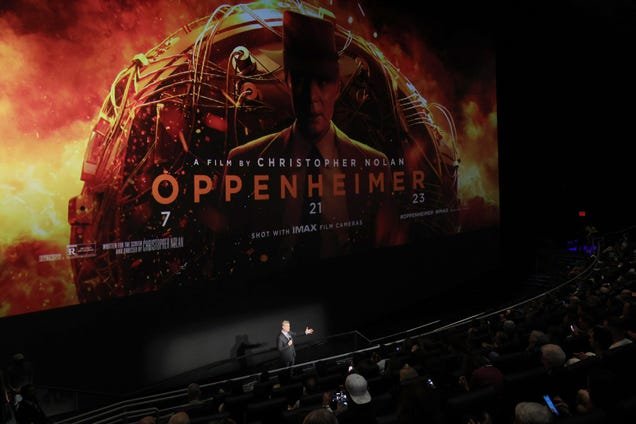
Stepping into an IMAX theater promises an unparalleled cinematic journey: a vast, curved screen that fills your entire vision, sound that envelops you, and images so sharp they feel tangible. It's the gold standard for many cinephiles, designed to deliver "Films to the fullest." But with premium prices and different types of IMAX experiences out there, the burning question remains: Is IMAX always worth it, for every film and every theater?
The short answer is: it depends. Like a perfectly mixed cocktail, the true value of an IMAX experience hinges on a few crucial ingredients. Understanding these elements can transform a potentially disappointing splurge into an unforgettable escape. Let's dive deep into what makes IMAX special, when it truly shines, and what to watch out for.
Deciphering the IMAX Magic: More Than Just a Big Screen
At its core, IMAX is a proprietary system built for maximum immersion. This isn't just about a bigger screen; it's about a meticulously engineered environment. We're talking wall-to-wall, floor-to-ceiling curved screens, custom-designed digital cameras that capture stunning detail, and advanced projectors delivering sharper, brighter, clearer images. The theater itself is optimized for a 70-degree field of view, while custom-tailored sound systems span the entire audible octave, producing an impressive 12 channels of high-quality audio. Even the seating is designed to enhance your connection to the film.
However, the "IMAX" label isn't always uniform, and this is where the waters get murky. There's a significant difference between "Real IMAX" (often referred to as Laser IMAX) and "Digital IMAX" (sometimes playfully called "LieMAX"). Real IMAX features those truly colossal, often dome-shaped screens, a unique 1.43:1 aspect ratio, and typically uses high-resolution 70mm film format cameras with LASER projectors. Digital IMAX, on the other hand, often utilizes 2K resolution digital projectors on standard screen sizes, with a 1.90:1 aspect ratio and standard audio systems, sometimes feeling more like a slightly upgraded conventional cinema. To really get into the nuts and bolts of the technology and distinguish between these formats, you’ll want to explore What is IMAX? Understanding the different systems.
The True Immersion: Visuals, Audio, and Comfort
When you experience a genuine IMAX presentation, the difference is palpable. Films shot with IMAX cameras, like Dune or Oppenheimer, come alive with a sense of scale and detail that other formats struggle to replicate. The precision of 4K laser projectors paired with high-definition cameras creates visuals that are up to 6x better than a standard cinema. The enhanced cinematography translates directly to a more profound connection with the story unfolding before you.
Beyond the visuals, the audio experience is a game-changer. IMAX sound systems are custom-built, proprietary, and calibrated daily to provide powerful, immersive audio. These 12 high-quality sound channels are designed to place you squarely within the film's world, although some viewers do find the sheer volume a bit much. The careful consideration of pertinent seating further contributes to a next-level ambiance, ensuring every element works in harmony. For a deeper dive into how all these elements combine to deliver a truly immersive experience, make sure to read Unlock the full IMAX experience.
Weighing the Cost: Is the Premium Justified?
With an average ticket price ranging from $20-$25, IMAX tickets are significantly more expensive than standard cinema admissions. This premium cost is one of the biggest factors in deciding if "IMAX is worth it." For some, especially for eagerly anticipated blockbusters shot specifically for the format, the cost is a small price to pay for an unmatched experience. They might even justify a longer drive to reach a genuine Laser IMAX location.
However, it's also important to consider the potential drawbacks. The intense visual effects, wide screens, and curved angles can sometimes lead to "cybersickness" for some viewers, causing dizziness or discomfort due to the profound impact on their senses. While the experience can be breathtaking, it's not without its potential hitches for everyone. To gain a clearer perspective on whether that higher price point truly delivers value for your specific movie-going habits, consider exploring Is the IMAX premium justified in detail.
IMAX vs. The Competition: A Battle for Immersion
The cinematic landscape is rich with alternative premium formats, each vying for your attention and dollars. How does IMAX stack up against them?
- 4DX: While 4DX offers multi-sensory effects like shaking seats, fog, scents, and water sprays, many find these additional effects to be more annoying and distracting than truly enhancing.
- Dolby Cinema: Dolby Cinema is a strong contender, offering a similar, highly immersive experience with incredible visuals and sound. However, Dolby Cinema theaters are generally less available than IMAX locations and can often be even more expensive.
Each format has its strengths and weaknesses, and the "best" choice often comes down to personal preference and what you prioritize in your movie experience. For a comprehensive breakdown and comparison of these different premium formats, you'll find invaluable insights by checking out IMAX vs. Competitors: Dolby Cinema and other options.
The Right Movie, The Right Theater: When IMAX Shines Brightest
Ultimately, user opinions consistently highlight that IMAX's worth largely depends on two critical factors: the movie itself and the specific theater screening it. Movies that are specifically shot with IMAX cameras and designed to take advantage of the format's enhanced visuals, full aspect ratio, and superior 12-channel sound system truly excel in IMAX. Think of films like Oppenheimer, Dune, Prometheus, or Mad Max Fury Road. For these blockbusters, viewed in a grand theater with laser projection, many moviegoers find the higher ticket price, and even a long drive, absolutely worthwhile. The full immersion enhances the storytelling and spectacle exponentially.
Conversely, for narrative-driven films or those not specifically designed for IMAX, the added cost might not be justified. You might find that the experience is only marginally better than a standard screen, lacking the transformative impact. Before purchasing your ticket, a key actionable insight is to inquire if the theater is a "Real IMAX" (Laser IMAX) to ensure you're getting the full immersive experience. Look for indicators like "15/70" (15-perf 70mm) or consult online lists, like Wikipedia, for genuine IMAX locations. To make the most informed decision about your next cinematic adventure and ensure you pick a film that truly benefits from the IMAX treatment, take a look at Learn which films excel in IMAX.
Making Your IMAX Decision
So, is IMAX worth it for every movie and every theater? Probably not. But for the right film – a visually spectacular blockbuster shot with IMAX cameras – shown in a genuine Laser IMAX theater, the answer is a resounding yes. It's an investment in an experience, a commitment to seeing "Films to the fullest" as their creators intended. By understanding the nuances of IMAX technology, considering the film's production, and knowing the specifics of your local theater, you can ensure your next premium movie ticket delivers every bit of the magic it promises. Choose wisely, and prepare to be immersed.