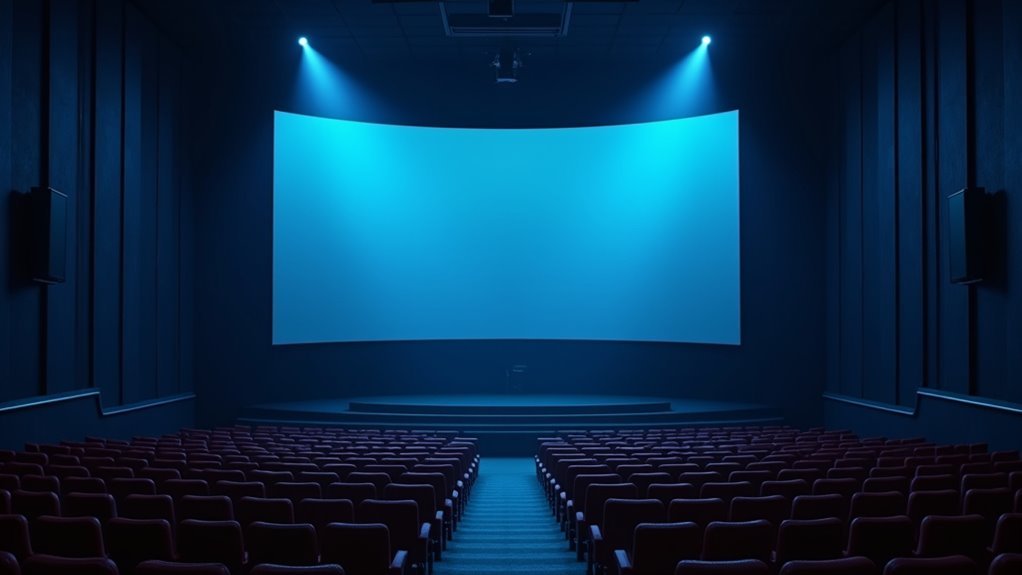
Stepping into an IMAX cinema isn't just watching a movie; it's an experience designed to pull you into the heart of the story. But what is IMAX, really? Understanding the technology and formats behind this cinematic powerhouse reveals why it delivers such a uniquely immersive spectacle that has captivated audiences for decades. From towering screens and thundering sound to breathtaking clarity, IMAX represents a relentless pursuit of "Image Maximum"—a name coined by its founders to define the ultimate visual and auditory immersion.
Unlike standard movie showings, an IMAX presentation is a finely tuned system where every element, from the camera lens to the auditorium's architecture, works in concert to heighten your sense of presence. It’s a commitment to scale and detail that sets it apart, ensuring that when you see an IMAX logo, you're signing up for something beyond the ordinary.
At a Glance: What Makes IMAX Special
- Massive Screens: Often multiple stories high, much larger than standard cinema screens, with unique aspect ratios (like 1.43:1 or 1.90:1) that fill your peripheral vision.
- High-Resolution Capture: Uses specialized large-format film cameras (like 70mm 15-perf IMAX film, capable of up to 12k resolution) or advanced digital IMAX cameras to capture immense detail.
- Precision Projection: Employing powerful xenon arc lamps for film or laser light sources for digital, ensuring unparalleled brightness, contrast, and color accuracy on screen.
- Immersive Audio: Custom-designed, multi-channel sound systems that place you in the center of the action, often with overhead speakers for a truly 3D soundscape.
- Optimized Theaters: Purpose-built or custom-designed auditoriums with stadium seating and precise screen placement to maximize the viewing experience for every audience member.
- Digital Remastering (DMR): A proprietary process that enhances non-IMAX films for optimal presentation on IMAX screens, elevating their visual and auditory quality.
The Genesis of Immersion: How IMAX Began
The story of IMAX isn't just about technology; it's about a vision. It began in 1967 when Canadian filmmakers Graeme Ferguson, Roman Kroitor, and Robert Kerr, alongside engineer William Shaw, founded Multiscreen Corporation. Their audacious goal was to transcend the limitations of traditional cinema, creating a new kind of large-format filmmaking that would overwhelm the senses and transport viewers directly into the film.
Their first groundbreaking achievement was "Tiger Child," which premiered at the 1970 World's Fair in Osaka, Japan. This was followed by the first independent IMAX theater at Expo '74 in Spokane, Washington. For many years, IMAX experiences were primarily found in stand-alone auditoriums, often within museums or science centers, showcasing breathtaking documentary films that leveraged the format's ability to capture natural wonders and scientific feats with unparalleled grandeur. These early installations laid the foundation for what would become a global cinematic phenomenon, proving that there was a hungry audience for truly colossal visuals and sounds.
The Heart of True IMAX: Film-Based Technology
Before the digital revolution, IMAX was synonymous with its colossal film stock and the elaborate machinery required to project it. This traditional approach remains the gold standard for many cinephiles and filmmakers, revered for its uncompromising quality.
Colossal Cameras and Unrivaled Detail
Traditional IMAX cameras are engineering marvels. They don't use standard 35mm film; instead, they operate with IMAX 70mm film stock, specifically known as 15/70. This designation means the film is 70mm wide and uses 15 perforations per frame. To put that in perspective, a standard 35mm film frame is roughly 22mm x 16mm. An IMAX 15/70 frame, however, is a massive 70mm x 48.5mm, providing an image area over ten times larger than a conventional 35mm frame.
This immense surface area allows for incredible resolution, often cited as equivalent to 12K digital resolution or even higher. Imagine the detail in every leaf, every facial expression, every star in the night sky. These cameras, while producing breathtaking results, are also famously large, heavy, and often noisy, limiting their use to specific scenes in feature films. A single roll of 15/70 film can only capture between 30 seconds to two minutes of footage, making shooting with these cameras an intense and precise endeavor.
The Magic of Projection: More Than Just Light
Projecting such a massive film frame requires equally specialized technology. Traditional IMAX projectors are beasts, utilizing powerful xenon arc lamps that generate light equivalent to a small sun to blast an incredibly bright, crystal-clear image onto the enormous screen. The unique horizontal rolling loop mechanism ensures the film is perfectly stable, preventing jitters and maximizing sharpness.
Architecting Immersion: The IMAX Theater
An IMAX experience extends beyond the projector. The very design of the auditorium is part of the technology:
- Screen Size and Aspect Ratio: Standard purpose-built IMAX screens average around 72 x 53 feet, often multiple stories high. Critically, these traditional screens feature a unique 1.43:1 aspect ratio, making them noticeably taller than they are wide. This vertical expansion fills a significant portion of your peripheral vision, especially when content is shot specifically for this ratio.
- Stadium Seating: Every seat in an IMAX theater is carefully positioned to provide optimal viewing angles, ensuring everyone has an unobstructed, immersive experience.
- Immersive Audio Systems: IMAX's multi-channel sound systems are designed for precision and impact. Speakers are strategically placed around, and often above, the audience, creating a soundscape that moves with the action, from a whisper to an explosion that rattles your seat.
The Evolution of IMAX: Embracing the Digital Age
While the traditional 15/70 film experience remains a pinnacle, IMAX has continually evolved, adapting to changing industry demands and technological advancements. This evolution has made IMAX more accessible but also introduced a variety of "IMAX experiences," each with its own characteristics.
Digital Media Remastering (DMR): Bringing Blockbusters to IMAX
A pivotal development was Digital Media Remastering (DMR). Introduced in the late 1990s, DMR is a proprietary process that digitally enhances non-IMAX films for exhibition on IMAX screens. This involves upscaling resolution, enhancing contrast, adjusting color, and remastering the audio to IMAX's exacting standards. DMR allowed Hollywood blockbusters, not originally shot with IMAX cameras, to be presented in IMAX theaters, significantly expanding the format's reach. Early examples include re-releases like "Apollo 13" (1995) and "Star Wars: Episode II - Attack of the Clones" (2002).
The 3D Era: Adding Depth
IMAX 3D was an early enhancement, leveraging the format's massive screens and high resolution to deliver a more convincing and less fatiguing 3D experience compared to standard 3D systems. While 3D has ebbed and flowed in popularity, IMAX's approach generally offered a superior version of the technology.
Digital IMAX Projection Systems (2008): The Multiplex Revolution
The introduction of Digital IMAX Projector Systems in 2008 marked a significant shift. These dual 2K projector systems (initially) allowed IMAX to be more easily integrated into multiplexes, often converting existing auditoriums into "IMAX" theaters. This expanded IMAX's footprint dramatically, making the experience more widely available.
However, these digital systems came with trade-offs. The resolution was lower (initially 2K, later dual 4K systems became common) compared to 15/70 film. The screens in these multiplex locations were often smaller, and the auditoriums were not always purpose-built from the ground up. Many of these digital IMAX screens feature a 1.90:1 aspect ratio, which is wider but less tall than the traditional 1.43:1, meaning you don't get the same vertical screen coverage.
This created a tiered system: the "LieMAX" criticism emerged, referring to the notion that these digital multiplex versions, while still superior to standard cinemas, didn't offer the full, uncompromised IMAX experience of a true 15/70 film presentation on a 1.43:1 screen.
IMAX Laser Projection: The New Gold Standard
IMAX Laser Projection systems represent a significant leap forward in digital IMAX. Using a laser light source instead of xenon lamps, these projectors deliver vastly improved performance:
- Brighter Images: Lasers produce a significantly brighter image, essential for large screens and 3D.
- Superior Contrast: Deep, inky blacks and brilliant whites create incredible visual depth.
- Wider Color Gamut: More vibrant and accurate colors, bringing scenes to life with unparalleled richness.
- Higher Resolution: The latest laser systems can project true 4K resolution per projector, with dual-projector setups delivering exceptional clarity.
- Higher Frame Rates: Capable of displaying higher frame rates for smoother motion.
IMAX Laser systems can project both 1.90:1 and the traditional 1.43:1 aspect ratios, meaning that a laser-equipped theater can offer the full-height IMAX experience when playing compatible content. This technology bridges the gap between the pristine quality of 15/70 film and the convenience of digital projection, often considered the best "digital" IMAX experience available today.
Digital IMAX Cameras: Filming for the Future
IMAX has also moved into the realm of digital camera systems. For commercial blockbuster productions, bespoke Digital IMAX Cameras (such as the Arri Alexa IMAX) have been developed. These cameras offer incredibly high resolution and dynamic range, allowing filmmakers to capture stunning visuals specifically for the IMAX format without the logistical challenges of film. Films like "Avengers: Infinity War" and "Avengers: Endgame" famously utilized these digital IMAX cameras for significant portions of their runtime.
The Filmmaker's Choice: Christopher Nolan and the IMAX Ethos
No discussion of modern IMAX is complete without mentioning filmmakers like Christopher Nolan. A prominent proponent of the format, Nolan often shoots major releases such as "Dunkirk," "The Dark Knight Rises," and "Interstellar" with IMAX 65mm film stock (which is projected as 15/70).
Nolan's dedication to IMAX is legendary. He understands that shooting on the large-format film stock is not just about resolution; it's about the texture, the depth, and the unparalleled immersion it provides. When you see a Nolan film with "Filmed for IMAX" sequences, you're experiencing his vision exactly as intended, with the aspect ratio shifting from widescreen to the towering 1.43:1 to fill the entire screen, truly pulling you into the scene. His advocacy has been instrumental in bringing the format into the mainstream and maintaining its artistic integrity.
IMAX vs. the Competition: Why It Stands Out
In a crowded cinema landscape, IMAX has numerous competitors vying for your premium movie dollar. Each offers a distinct flavor, but IMAX's unique blend of technologies allows it to maintain its leading position for scale and immersion.
- Dolby Cinema: Focuses on a sharper image (Dolby Vision HDR), superior contrast, and dynamic audio (Dolby Atmos) in a sleek, comfortable environment with reclining seats. While often having excellent picture and sound, Dolby screens are typically smaller than premium IMAX venues, and Dolby Atmos audio can be found in many standard theaters.
- Cinemark XD (Extreme Digital): Emphasizes a large screen and loud sound, often without the same level of technological precision or architectural optimization as true IMAX. Their content policy is often more lax, playing a wider variety of films in the format.
- RPX (Regal Premium Experience): Focuses on screen width and improved sound, but again, typically doesn't match the vertical height or resolution capabilities of premium IMAX.
- D-BOX: A unique experience where the seats themselves move and vibrate in sync with the on-screen action, providing a 4D sensory effect rather than purely visual or auditory enhancement.
IMAX continues to provide a distinctive cinematic experience thanks to its core philosophy: maximum image, maximum sound, and an auditorium designed to make you feel like you're inside the movie. Whether it's the raw power of 15/70 film or the refined brilliance of laser projection, the combination of gargantuan screens, ultra-high-resolution imagery, and meticulously designed sound and seating gives IMAX an edge when it comes to sheer immersive scale. When considering Is IMAX worth the price, these factors are crucial in your decision.
Getting the "True" IMAX Experience: What to Look For
With various IMAX formats available, how can you ensure you're getting the best possible experience? It boils down to understanding the nuances.
The Hierarchy of IMAX Experiences
- IMAX 15/70mm Film (True IMAX Film): This is the original, uncompromised format. If a film was shot partially or entirely on IMAX film cameras (like many Christopher Nolan movies), seeing it projected in 15/70mm is the ultimate experience. These theaters are rare, often found in dedicated science centers or very large, traditional venues. They typically feature the 1.43:1 aspect ratio.
- IMAX with Laser (True Digital IMAX): This is the pinnacle of digital IMAX. Laser projectors offer incredible brightness, contrast, and color. Crucially, IMAX Laser systems can project films in both 1.90:1 and the taller 1.43:1 aspect ratio if the content supports it. If you can't find 15/70mm film, IMAX with Laser is your next best bet for a truly premium experience. Look for venues specifically advertising "IMAX with Laser."
- Digital IMAX (Xenon Dual-Projector Systems): These are the most common IMAX theaters found in multiplexes. While still an upgrade over standard theaters, they generally feature smaller screens (relative to true IMAX), a 1.90:1 aspect ratio, and lower resolution than film or laser. They are often a great way to see a blockbuster, but they don't offer the same immersive height or photographic detail as the top-tier options.
Checking Before You Go
Before buying tickets, especially for a film advertised as having "IMAX sequences," do a quick check:
- Visit the cinema's website: Look for details about their IMAX system. Do they specify "IMAX with Laser" or just "IMAX"?
- Check the aspect ratio: For films with 1.43:1 content, ask or research if your local IMAX screen supports this taller aspect ratio. Many digital multiplex IMAX screens are fixed at 1.90:1.
- Read reviews: Enthusiast sites and forums often have detailed information about specific IMAX locations.
Common Questions and Misconceptions About IMAX
Q: Is "LieMAX" still a thing?
A: The term "LieMAX" emerged to describe multiplex IMAX screens that were seen as significantly smaller and lower resolution than traditional IMAX film theaters. While many multiplex IMAX screens still offer a scaled-down experience compared to a 15/70 film or an IMAX with Laser screen, the introduction of IMAX Laser technology has largely addressed the "lower resolution" concern for digital presentations. It's more accurate to say there are different tiers of IMAX experiences, rather than outright "lies."
Q: Does IMAX always mean a bigger screen?
A: Yes, an IMAX screen will always be larger than a standard cinema screen in the same venue. However, the term "bigger" is relative. A "true" IMAX screen (15/70 film or Laser 1.43:1) is astronomically larger than an average screen, filling your entire field of vision. A multiplex "Digital IMAX" screen, while bigger than a regular screen in that multiplex, might be only moderately larger than a competitor's premium format screen (e.g., Cinemark XD).
Q: Do all IMAX movies use IMAX cameras?
A: No. Many films shown in IMAX theaters are digitally remastered (DMR) versions of films shot with standard cameras. Only a select number of films, often high-profile blockbusters or documentaries, are partially or entirely shot with large-format IMAX film or digital IMAX cameras.
Q: Is IMAX just about the visuals?
A: Absolutely not. IMAX's immersive audio system is a critical component of the experience, delivering precise, powerful, and often multi-dimensional sound that complements the visuals. The unique architectural design of the auditorium and stadium seating are also integral.
Q: Does every IMAX theater offer the 1.43:1 aspect ratio?
A: No. Only IMAX theaters equipped with 15/70mm film projectors or certain IMAX Laser projector systems (which can toggle between 1.90:1 and 1.43:1) can display content in the taller 1.43:1 aspect ratio. Many standard digital multiplex IMAX screens are limited to 1.90:1. If a film has crucial 1.43:1 sequences, it's worth checking which aspect ratios your local IMAX supports.
Your IMAX Journey: Making the Most of It
Understanding "What is IMAX? Understanding the Technology and Formats" empowers you to make informed choices about your cinematic adventures. Whether you're chasing the rare and awe-inspiring grandeur of 15/70mm film, embracing the cutting-edge brilliance of IMAX with Laser, or simply enjoying the elevated experience of a multiplex digital IMAX, you're investing in a moviegoing experience designed for maximum impact.
For those truly special films, like the latest blockbuster designed for the format, opting for the best available IMAX presentation can transform a good movie into an unforgettable event. Keep an eye out for those "Filmed for IMAX" designations and seek out theaters boasting laser projection or, if you're lucky, the legendary 15/70mm film. Your eyes and ears will thank you.